Uterine fibroids affect up to 70% of women by age 50—and many go undiagnosed or untreated for years.
Uterine Fibroids are common in Singapore, which are non-cancerous growths that come from the muscle layer of the uterus. Although they can occur at any age, they are commonly found in women from 30 – 50 years old.
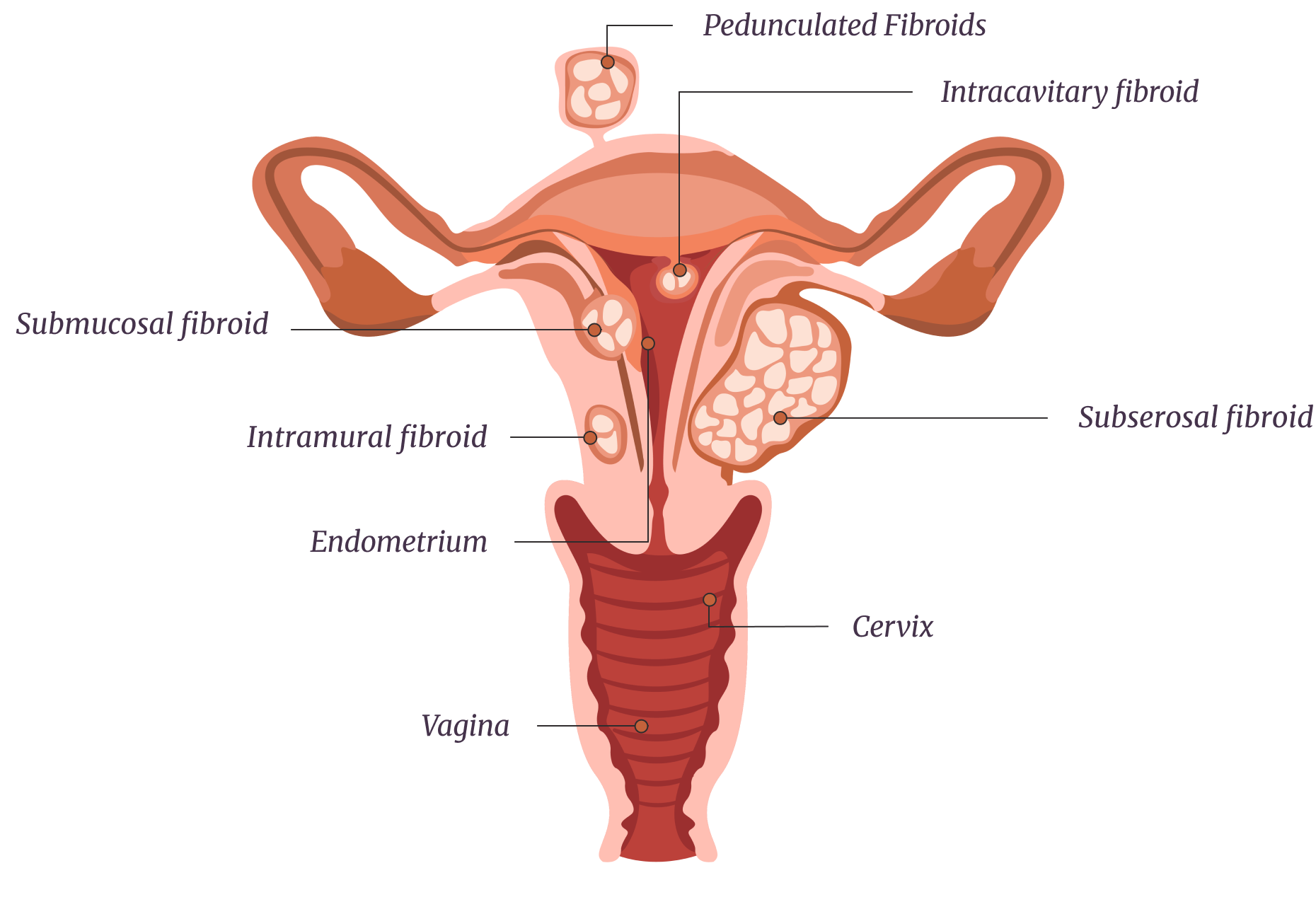
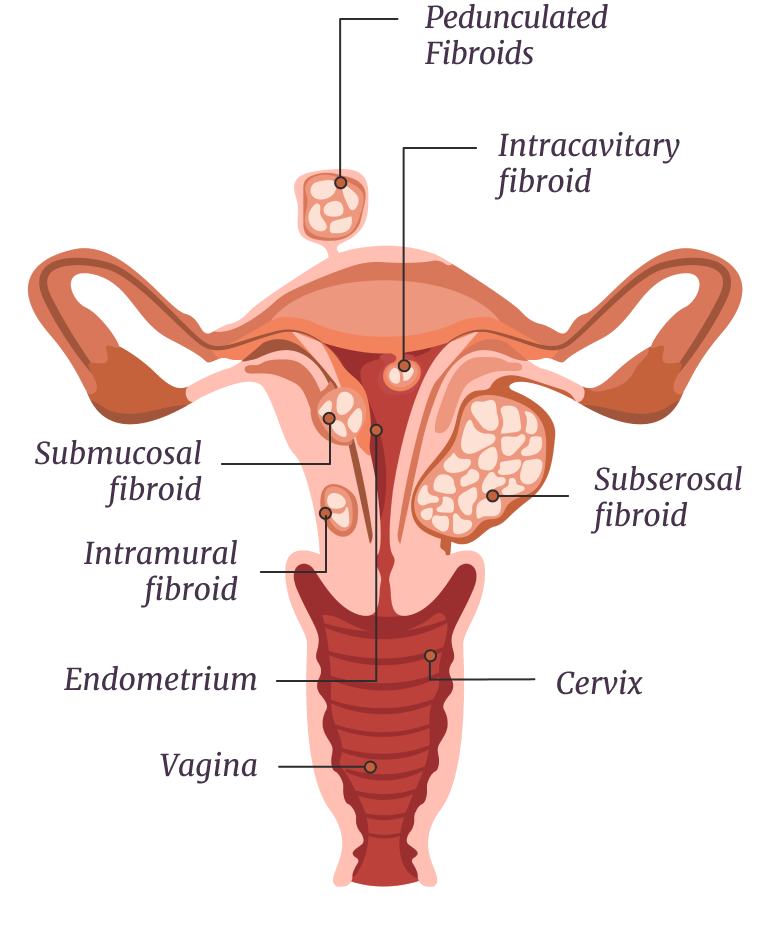
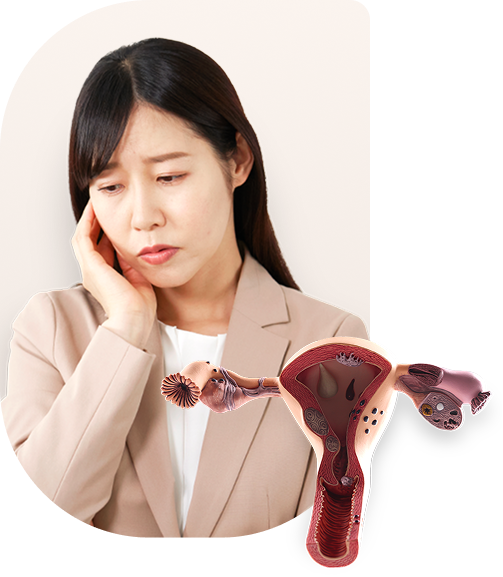
Fibroids can be single or multiple, have varying shapes and can be located inside the uterine cavity (submucous), within the muscle wall of the uterus (intramural), or on the outer surface of the uterus (subserous). They are slow-growing (about 1-2cm a year) and will typically start to shrink once a woman reaches menopause.
Some fibroids do not cause symptoms and are only discovered during a gynaecology check.
A pelvic exam can pick up large fibroids. Tests commonly performed to detect fibroids include:
Interval scans can be useful to monitor fibroid growth over time as part of conservative management.
Can be useful for further delineation particularly for large fibroids or in cases of concomitant pathology.
A procedure in which a camera is inserted through the cervix to visualise fibroids distorting the uterine cavity (only submucous fibroids can be seen through this method)
Small uterine fibroids that do not cause symptoms can usually be observed. However, fibroids that cause the symptoms as mentioned above may require treatment.
Myomectomy
This surgical procedure involves the removal of fibroids while preserving the uterus, making it an option for women who wish to maintain fertility. Myomectomy can be performed through:
Hysterectomy
The complete removal of the uterus is considered a definitive treatment for fibroids. This option is suitable only for women who have completed childbearing/ no longer desiring future fertility, or when other treatment modalities have failed

It could be fibroids — and the good news? You don’t have to live with it. Book your consultation today.
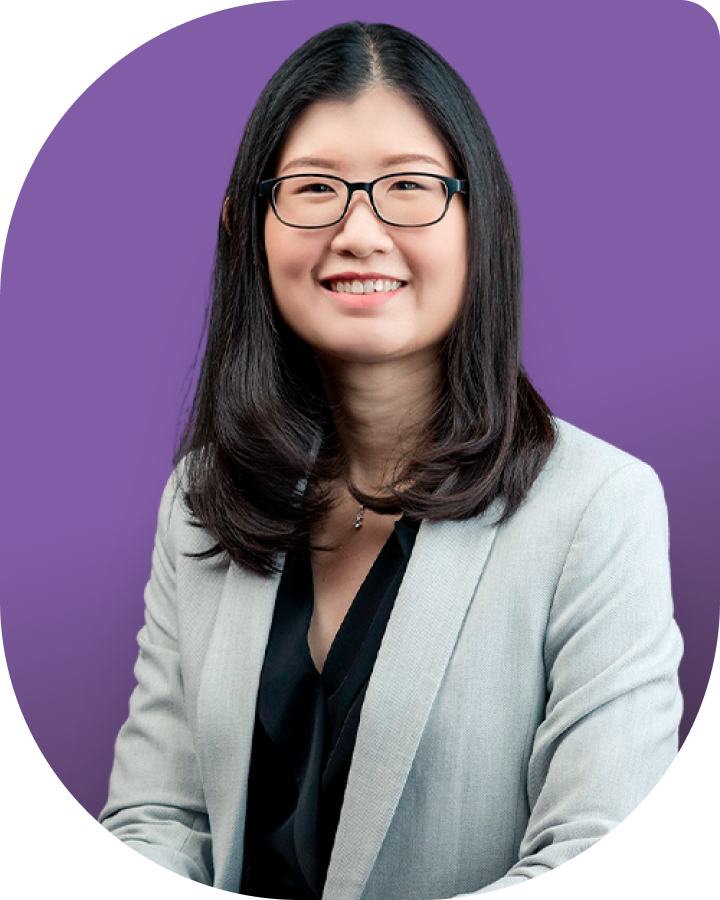
Dr Ng Kai Lyn [MBBS (Singapore), MMed (Singapore), MRCOG (UK)] is a Consultant Obstetrician and Gynaecologist with a sub-specialty in urogynaecology and minimally invasive surgery, as well as a clinical interest in fertility. Prior to moving to private practice, she worked at National University Hospital, Singapore.
She is the recipient of Healthcare Manpower Development Plan award from Singapore Ministry of Health and completed a prestigious Urogynaecology Fellowship at an International Urogynaecology Association accredited institution. Besides general obstetrics and advanced laparoscopy, she is well versed in managing pelvic organ prolapse, urinary incontinence, overactive bladder, uterine fibroids, ovarian cysts, endometrial polyps, endometriosis and fertility issues.
Dr Ng’s philosophy in clinical practice lies in achieving the best standard of care for her patients through compassionate treatment, communication, patient empowerment and informed choice. This passion served as a driving force for the conception and fruition of Dr Ng Kai Lyn website.
Dr Ng currently practices at Mount Elizabeth Novena, Singapore.